

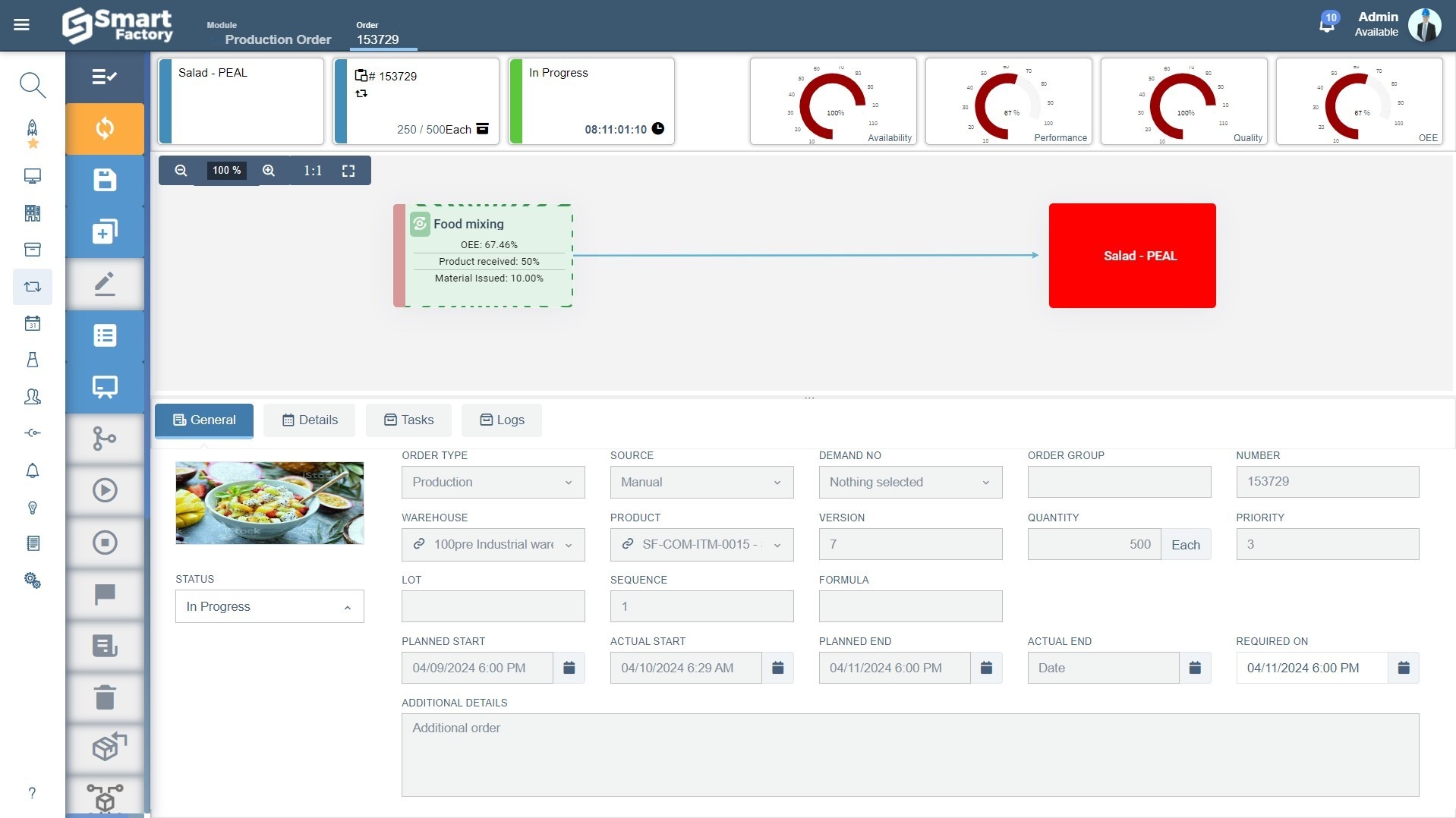
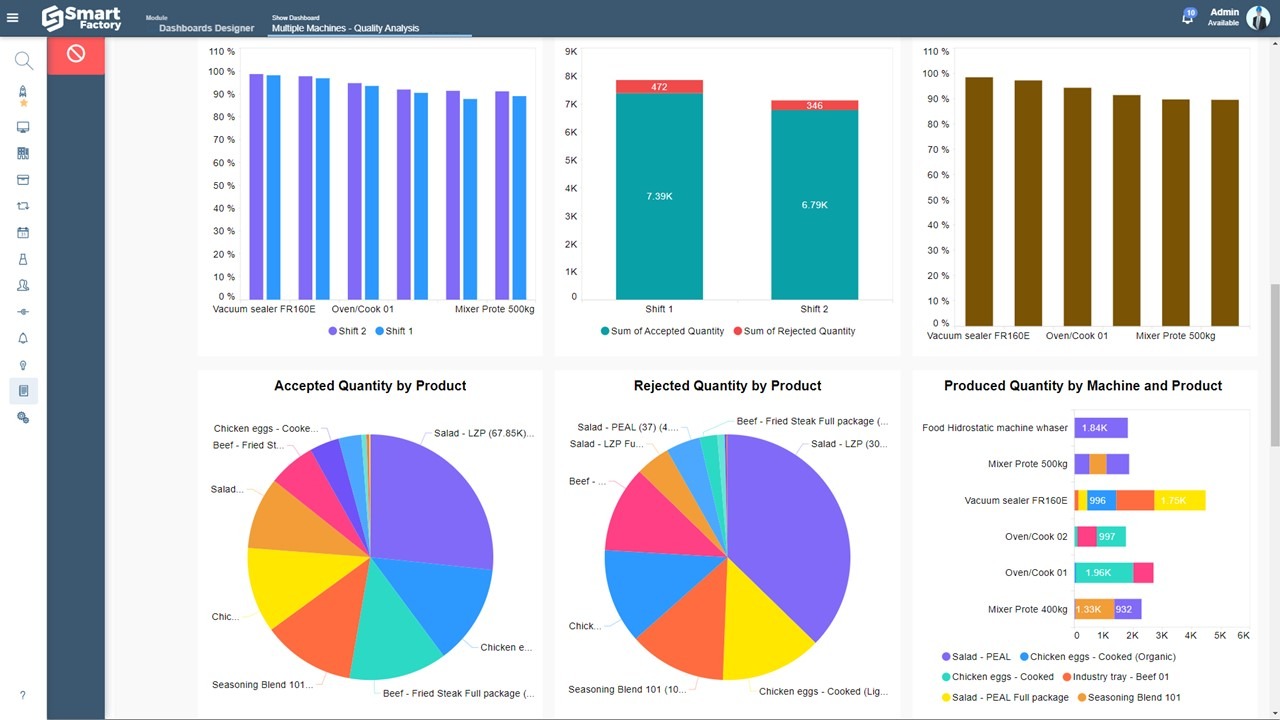
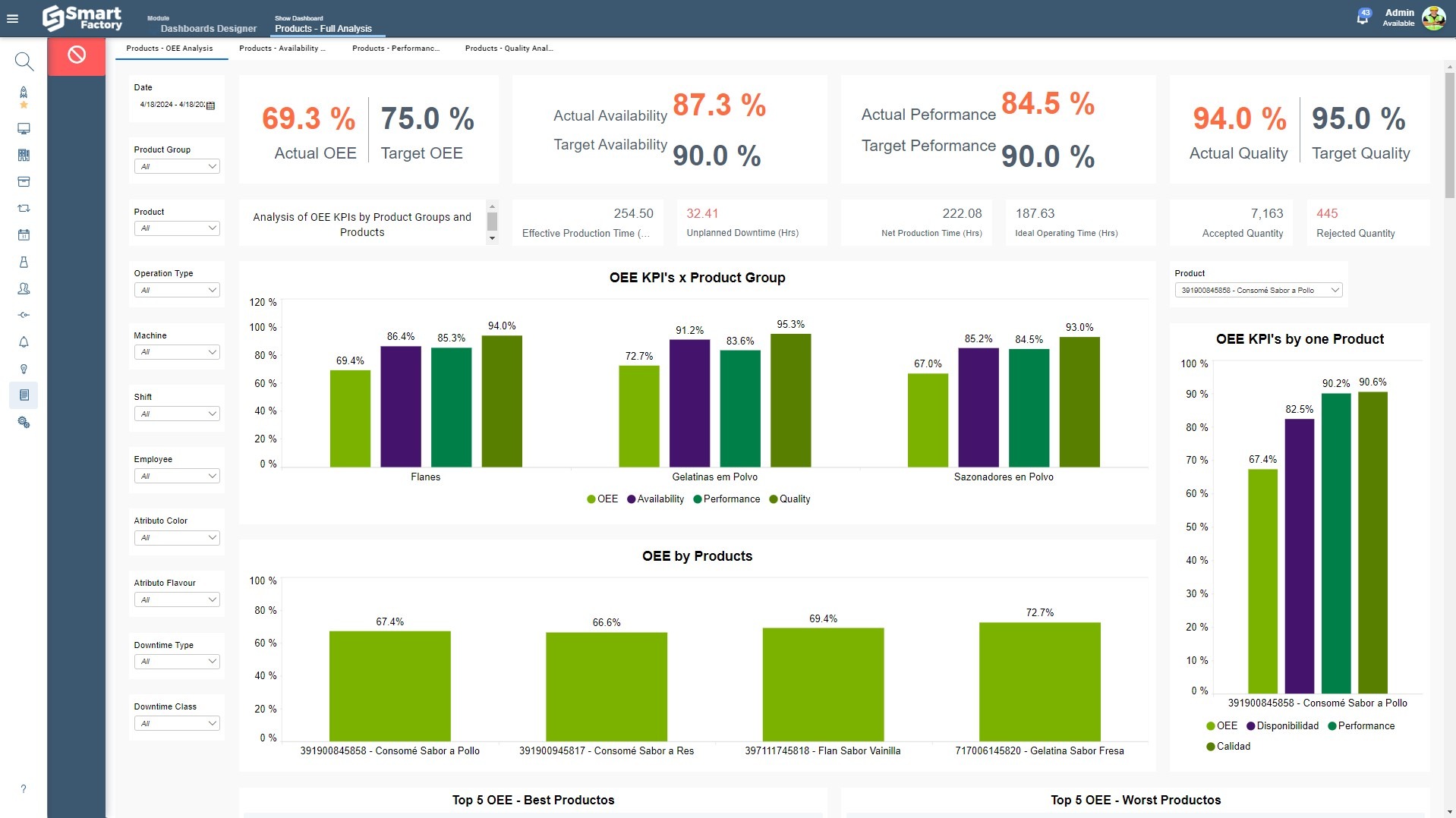
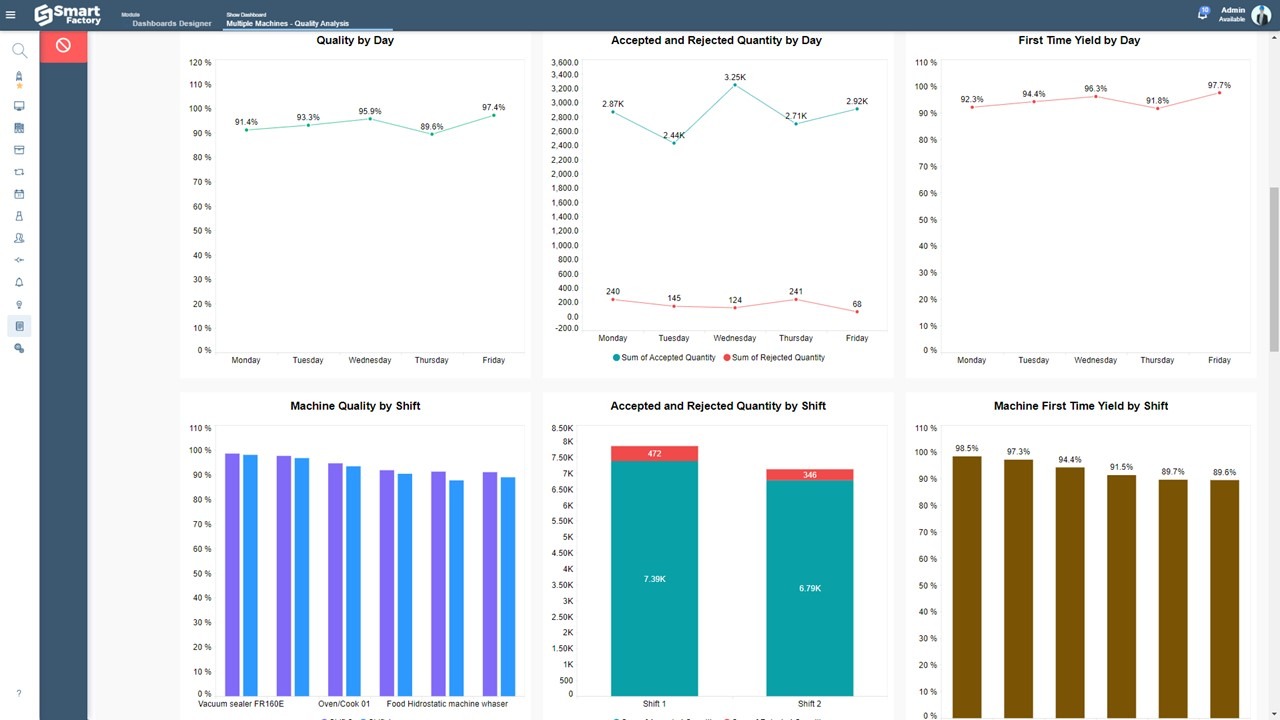
The Smart Factory MOM solution is an effective Overall Equipment Effectiveness software that helps your team to comprehend and enhance the production process. It enables you to find untapped potential in production activities and inspires production teams to optimize equipment use, reliability and quality.
With the Smart Factory MOM solution, you can track OEE and gain real-time visibility in production by connecting the devices, machines and sensors used across operations. With Smart Factory’s OEE monitoring system capabilities, you can:
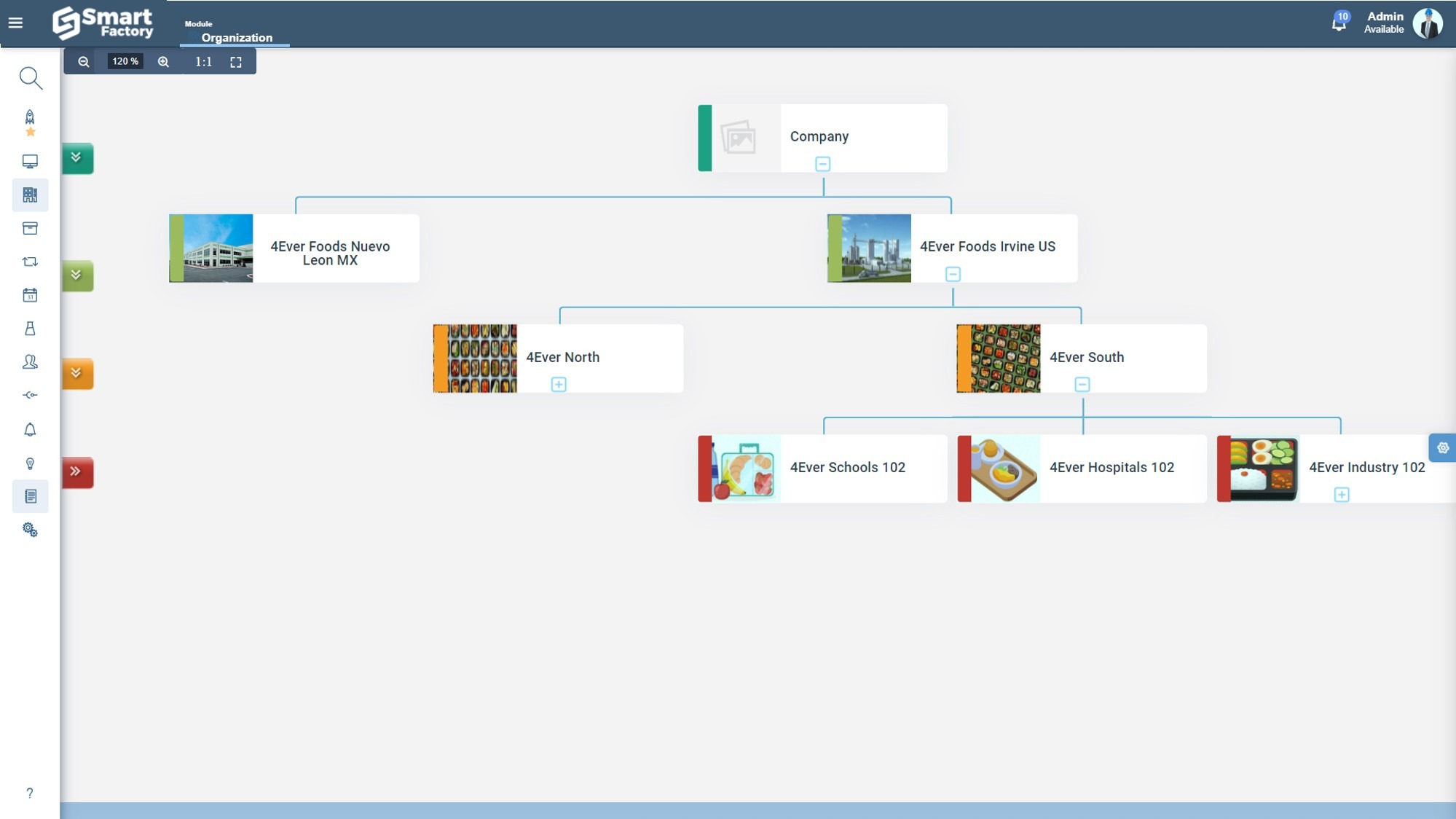
A modern OEE software should provide general and detailed visibility across an entire enterprise, facilitating efficiency improvements, decision making and creation of improvement plans. The OEE capabilities in the Smart Factory MOM solution meets this objective. It is an effective system of continuous improvement, adaptable to various production structures, providing the visibility necessary to achieve improvement objectives in an accelerated manner.
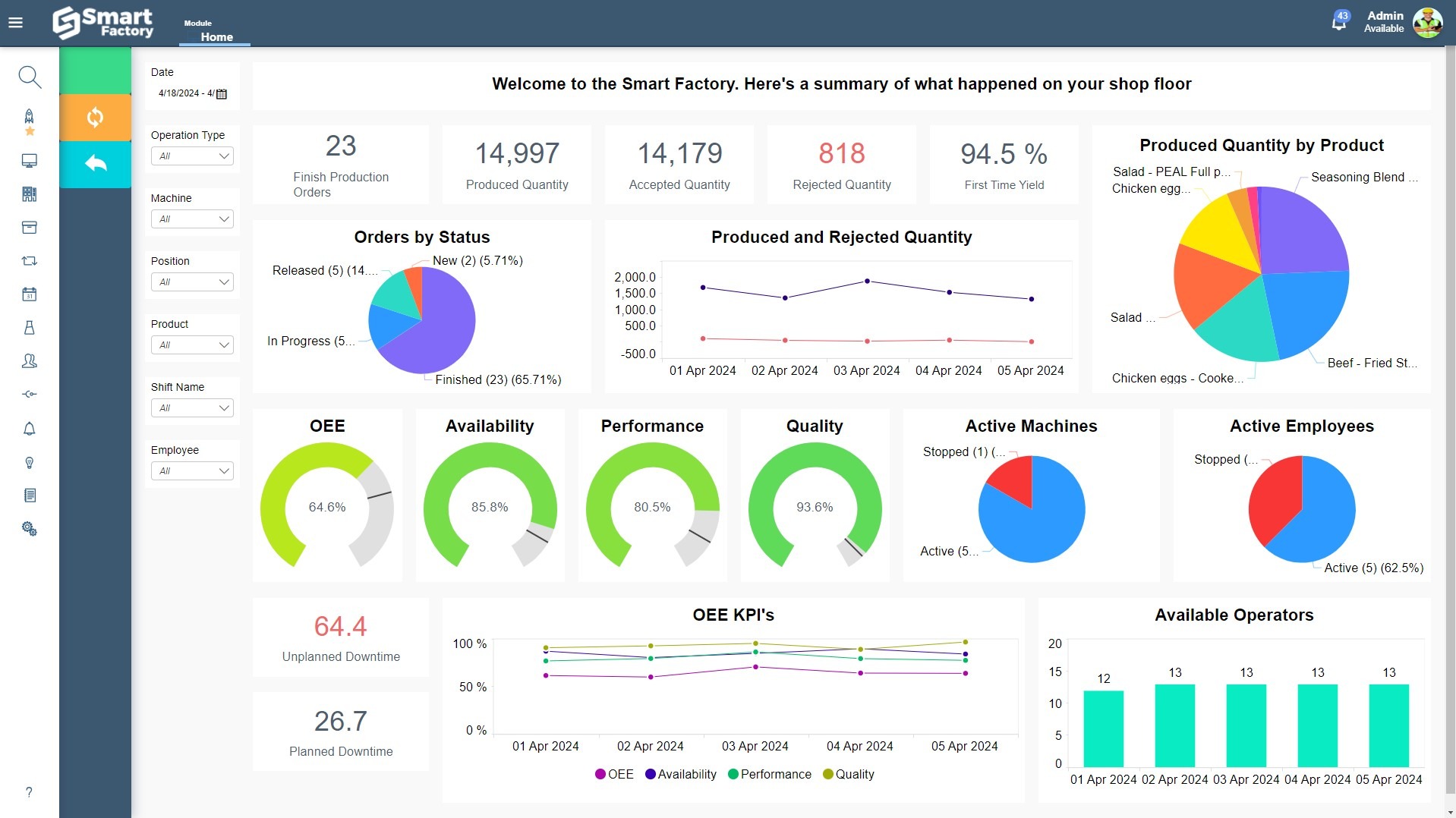
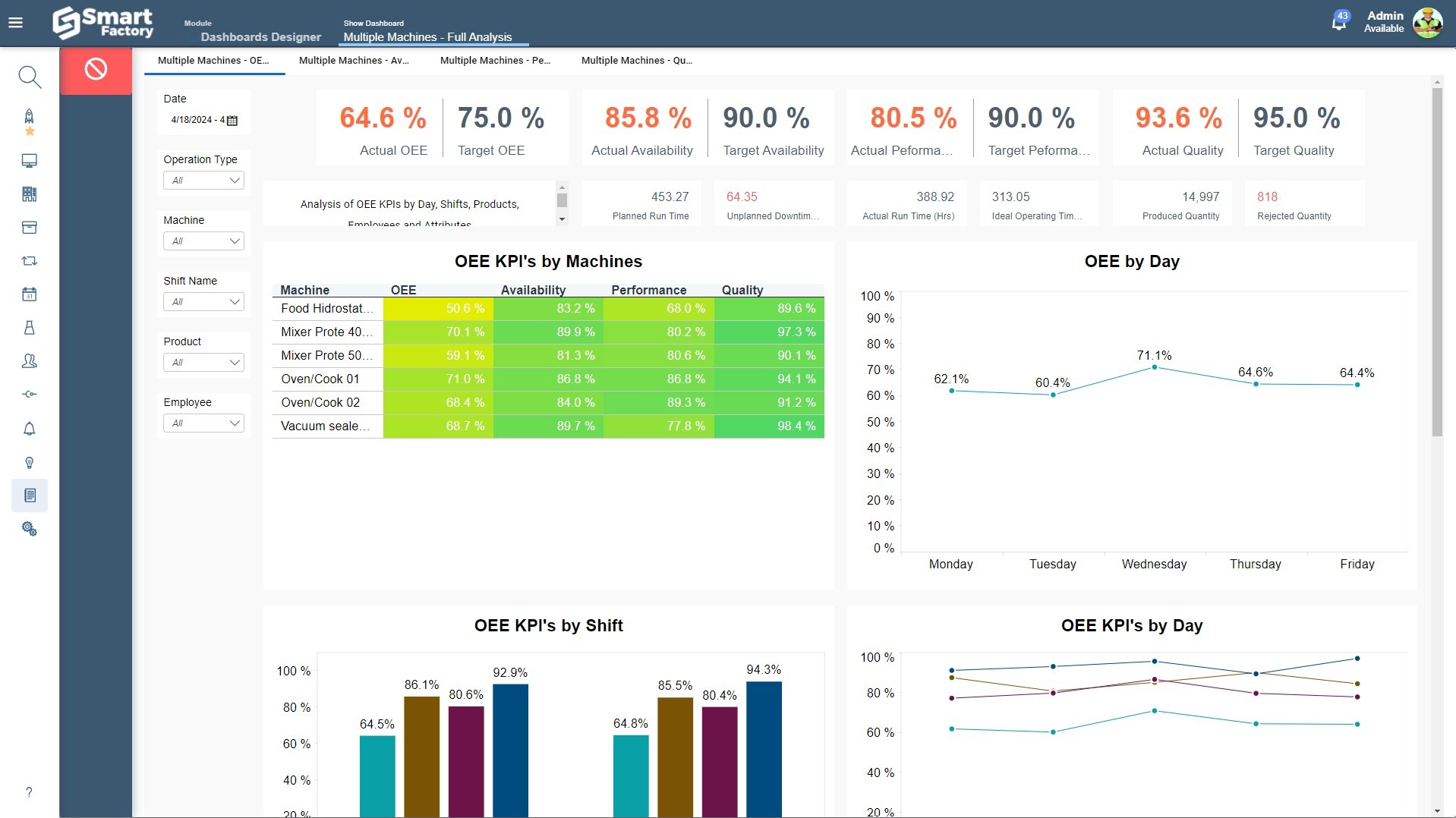
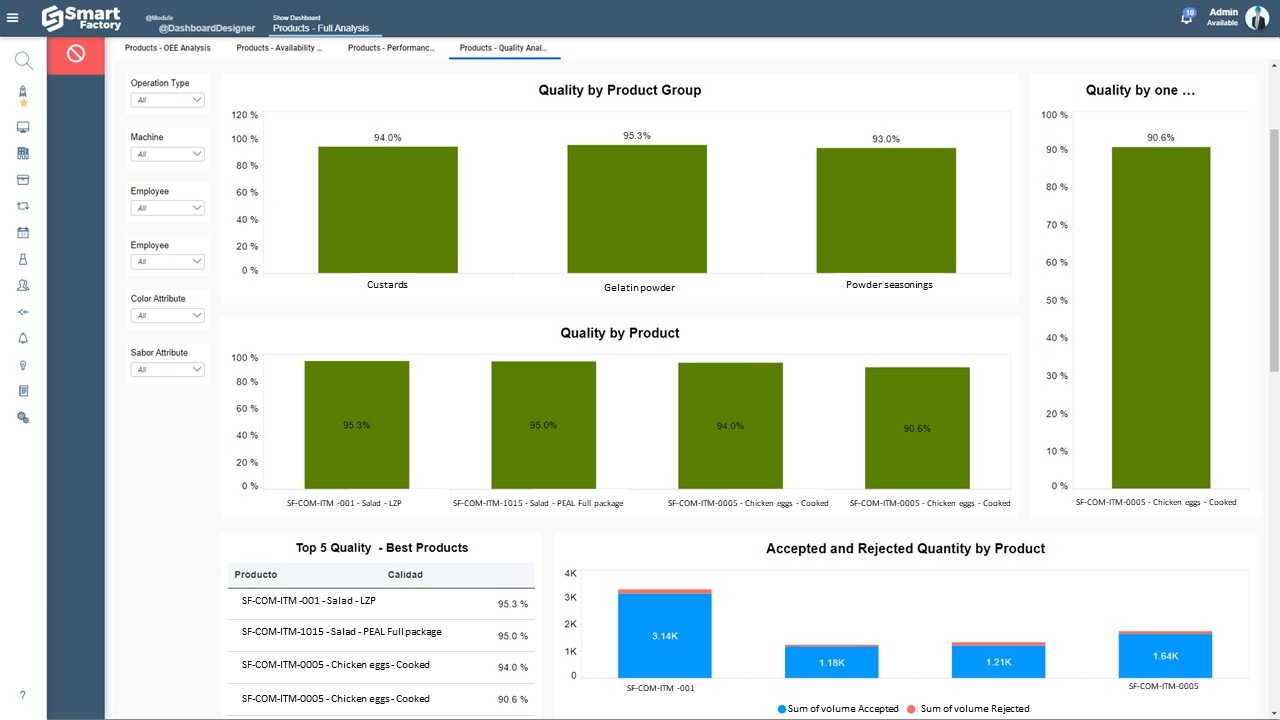
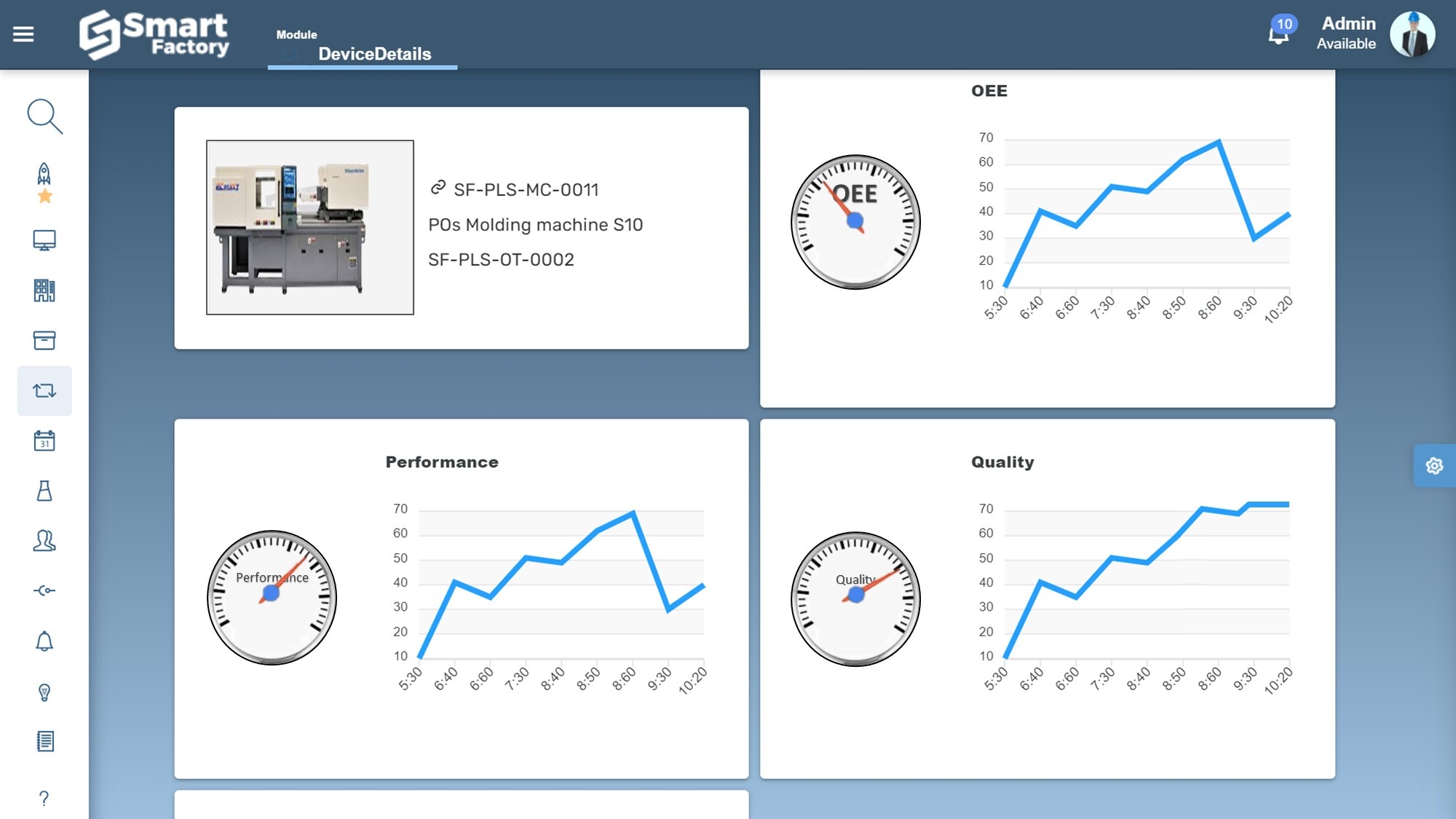
Analyzing OEE data can be complex due to overloaded information sources and levels of consultation required. However, Smart Factory’s OEE software provides improved analysis methods, including out-of-the-box graphics, OEE dashboards and customizable panels for visualizing production data. These features transform complex data into understandable graphics, allowing teams to focus on decision-making and improving daily processes.


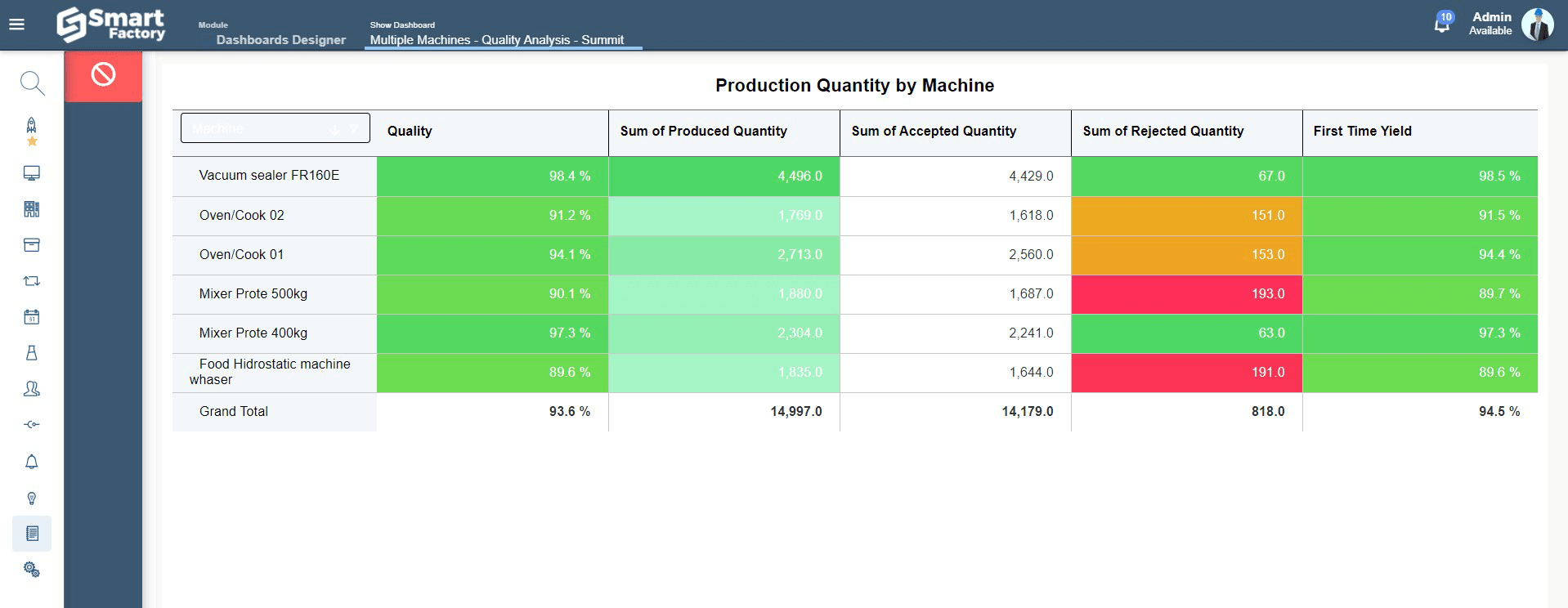
Smart Factory’s modules focus on Overall Equipment Effectiveness (OEE) to help improve processes and achieve operational excellence. Smart Factory offers automated production reports, including total OEE or its pillars (availability, performance and quality). Within Smart Factory, you can use out-of-the-box reports or create new ones to monitor, control and improve various aspects of your process.
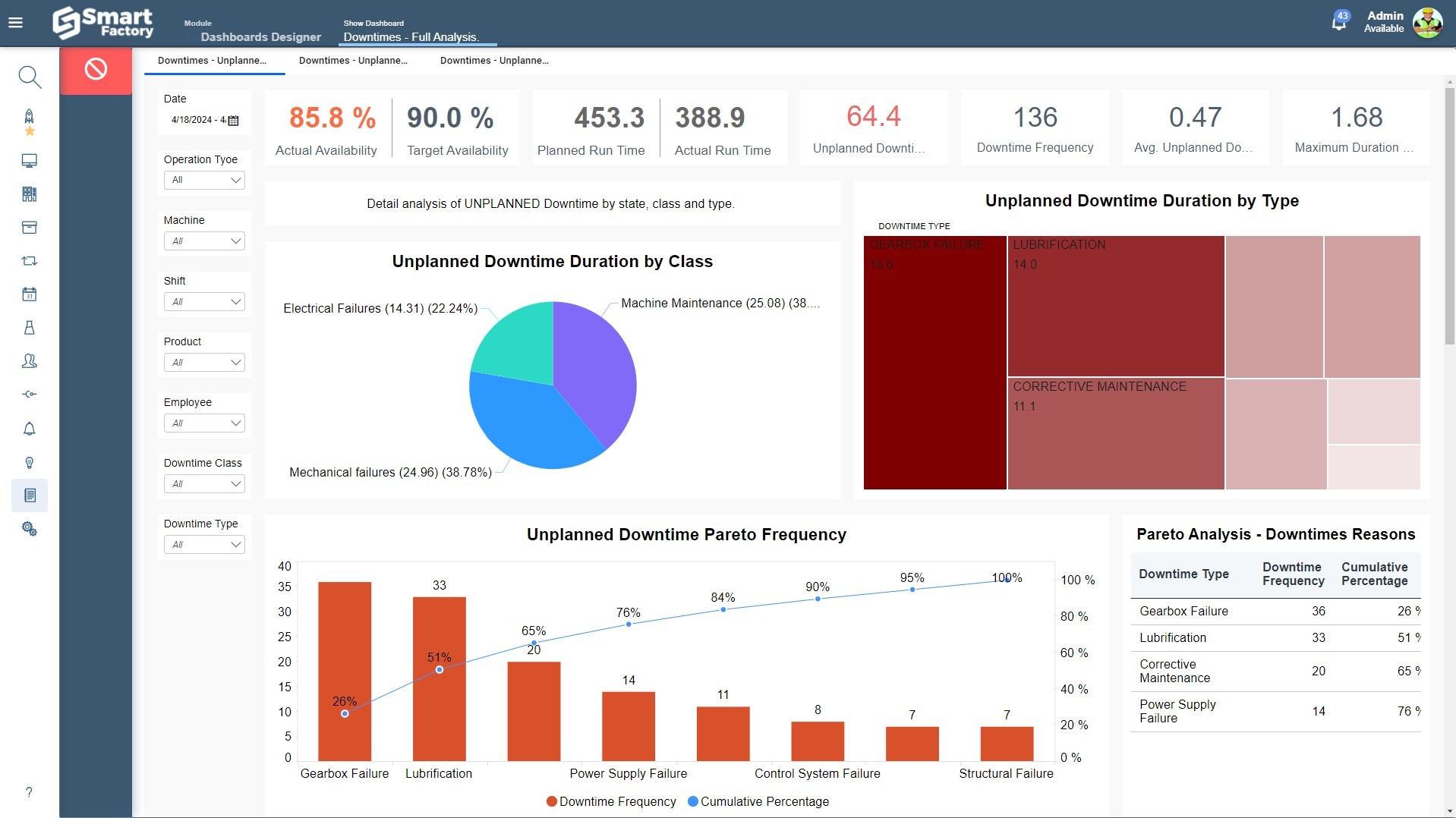
These modules offer visibility into problems and areas for improvement, enabling quick and dynamic access to reports on stations, products, lines, or the entire company. By understanding how, when, why and what affects your current OEE level, you can plan to focus your efforts and address gaps effectively.
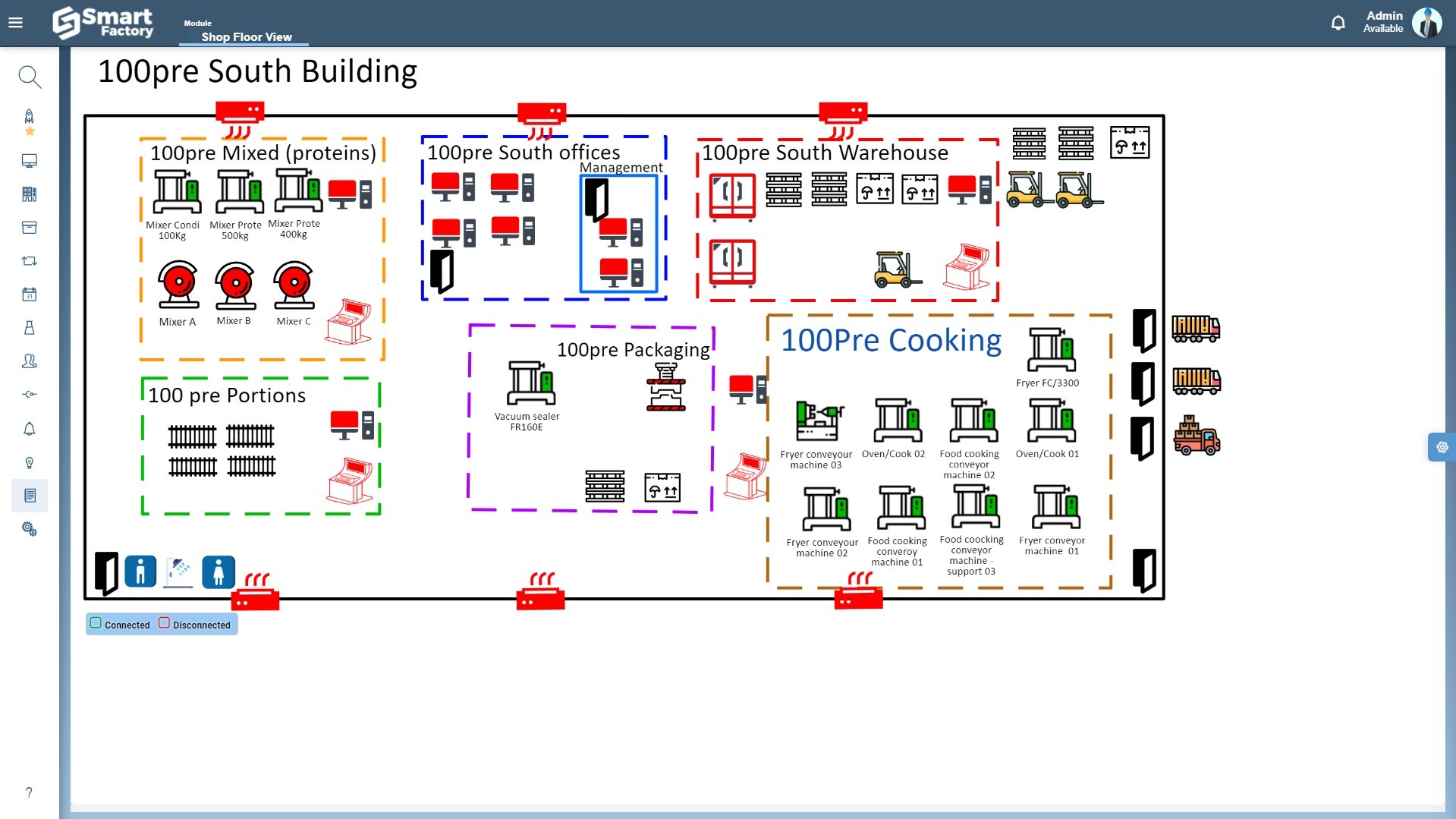
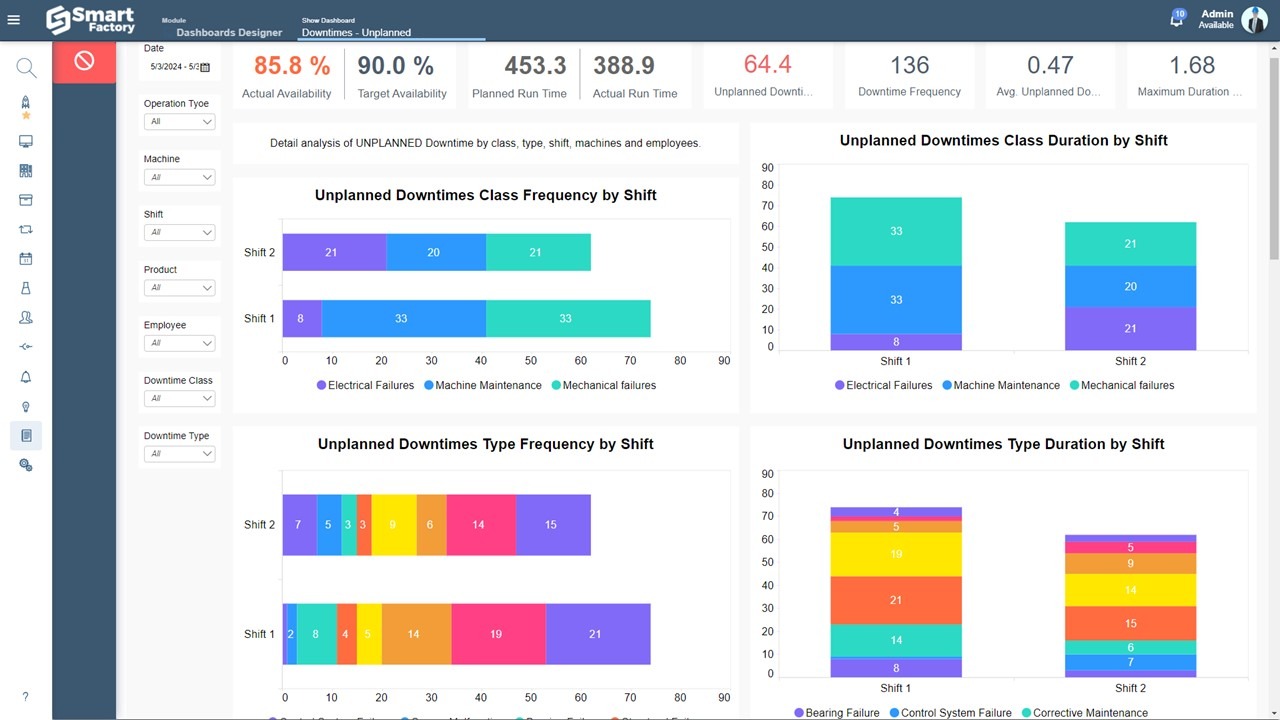
Smart Factory specifically, provides portals and reports focused on availability, one of the pillars of OEE. These tools display information through customized dashboards and viewers, helping teams identify unplanned production stops, recurring problems and historical data. Improved visibility into production equipment status supports problem identification and resolution to achieve resource availability goals.
Within the integrated modules of the Smart Factory suite dedicated to performance, all the data related to performance is integrated and captured in real time directly from the production environment. Smart Factory’s modules comprehensively capture and consolidate critical performance metrics such as machine efficiency, cycle times and reasons for downtime, regardless of data being automated (coming from machine sensors) or manual (by digital reports from production staff).
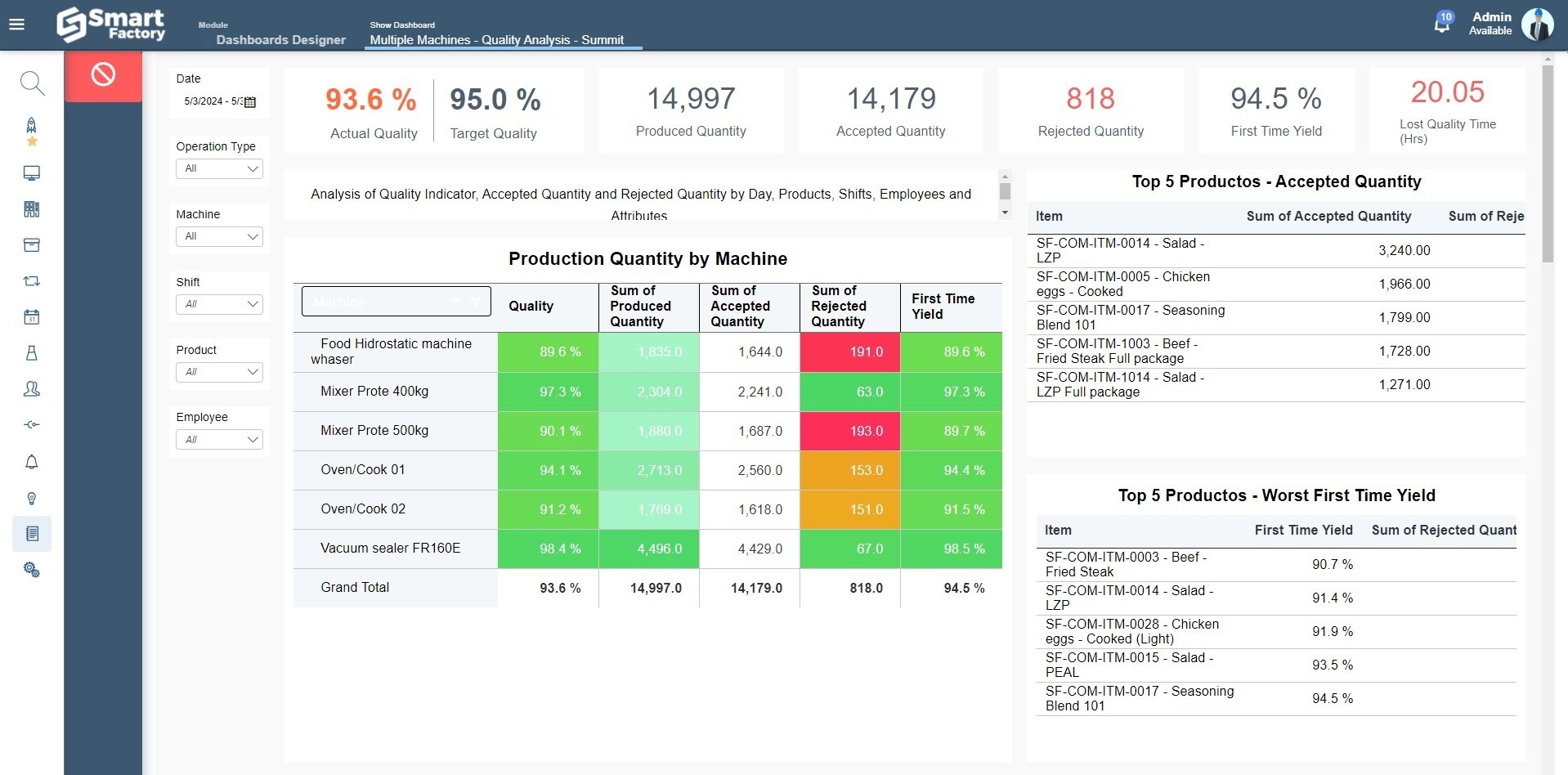
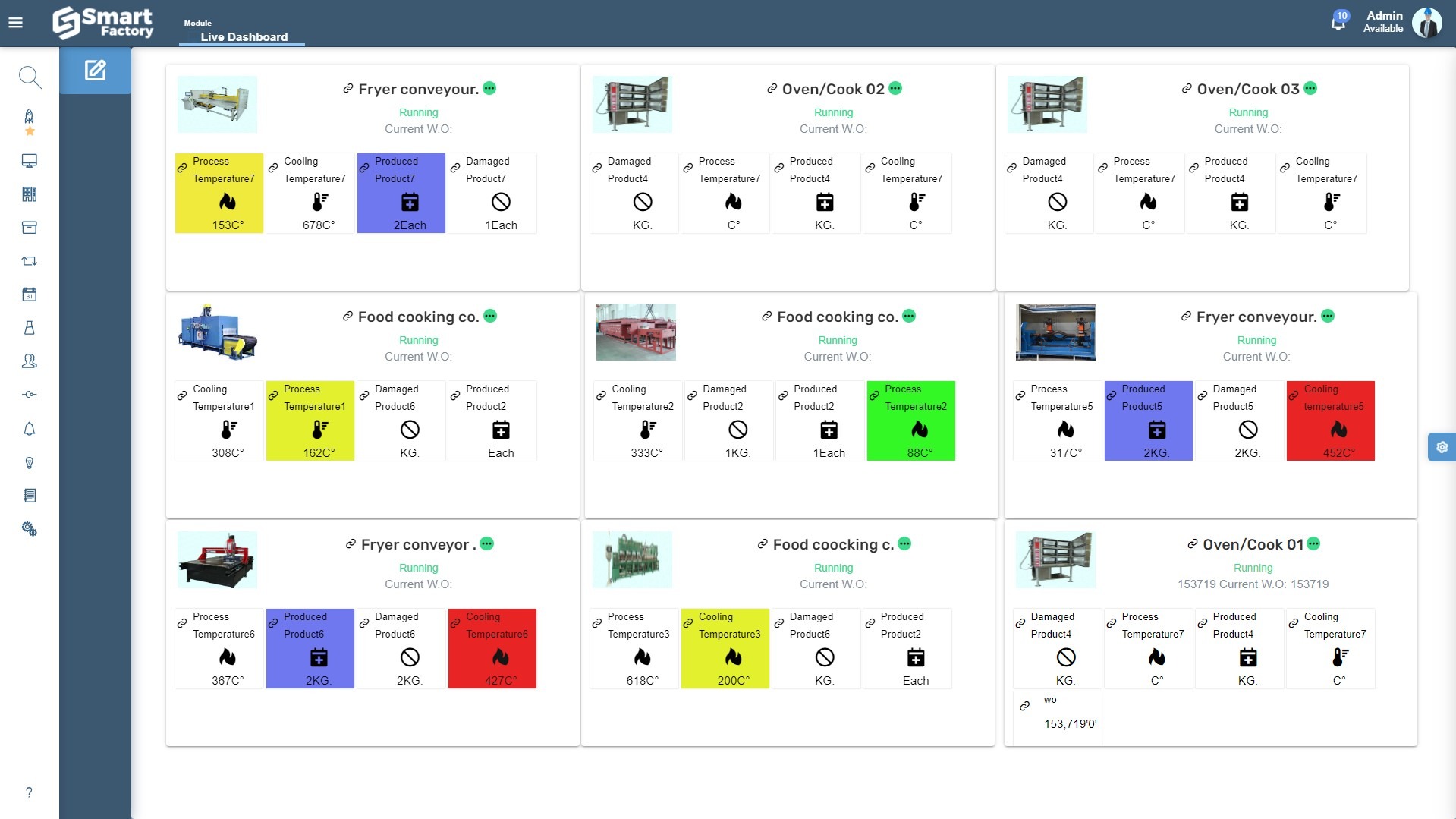
Smart Factory MOM incorporates dynamic real-time data capture from the production floor. This enables tracking data into the operating method sheets (OMS) or receiving the information from the machines, ensuring automatic and continuous tracking of production and traceability, in a digitized manner. This further leads to ongoing and detailed monitoring of response, conditions and plant production information on a recurring basis, ensuring consistent attention to quality.
Historical trends are beneficial when you aim to comprehend the meaning of your OEE score. Smart Factory’s OEE tracking capabilities make it simple to perform dimensional analysis, such as by part, team and shift, giving you a comprehensive understanding of your OEE data.

This level does not have direct interaction with the system data since their interest focuses on the general value and the higher level OEE calculations. However, they are usually the most affected by deviations from expected performance levels, leading to noticeable concern for past, present and future results.

This level is responsible for monitoring and evaluating first-level efficiency, ensuring products meet quality standards, managing production processes and supervising daily activities. As the first organizational level, they are responsible for the process and play a key role in monitoring and evaluating first-level efficiency by gathering and analyzing data from the production floor.
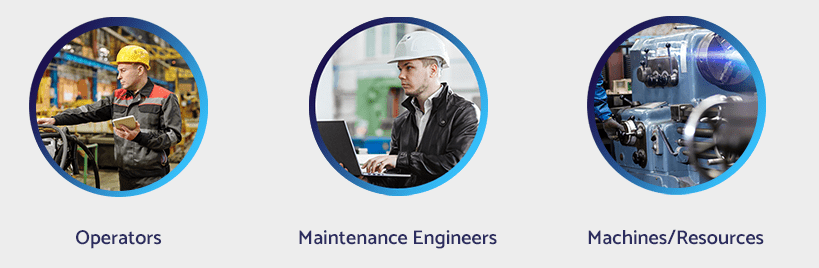
This level is responsible for the daily production tasks and machine operations. At this level, the production progress is reported and acts as the primary data source for calculating OEE across industries. The three pillars of OEE, i.e. Availability, quality and performance are tracked individually and aggregated for each equipment, person and resource, grouped by line, family and set of machines.